
Pompeii Hidden Secrets Unearthed: Alberto Angela’s Latest Revelations
Pompeii, a city frozen in time by the catastrophic eruption of Mount Vesuvius in AD 79, continues to captivate the world with its ancient mysteries. As a tour guide in this remarkable archaeological site I am constantly amazed by the new discoveries that emerge from the ashes, shedding light on the daily lives of its ancient inhabitants. Recently, Italian television host and renowned science communicator Alberto Angela delved into these latest findings in his captivating program, bringing fresh insights to both avid historians and curious viewers alike.
Alberto Angela, celebrated for his engaging and accessible approach to historical and scientific subjects, has once again turned his spotlight on Pompeii. His recent program, aired on RAI, meticulously detailed the latest archaeological excavations and discoveries that have profoundly expanded our understanding of this ancient Roman city. Through a combination of expert interviews, on-site exploration, and vivid reconstructions, Angela provided a comprehensive narrative that intertwined historical context with modern scientific analysis.
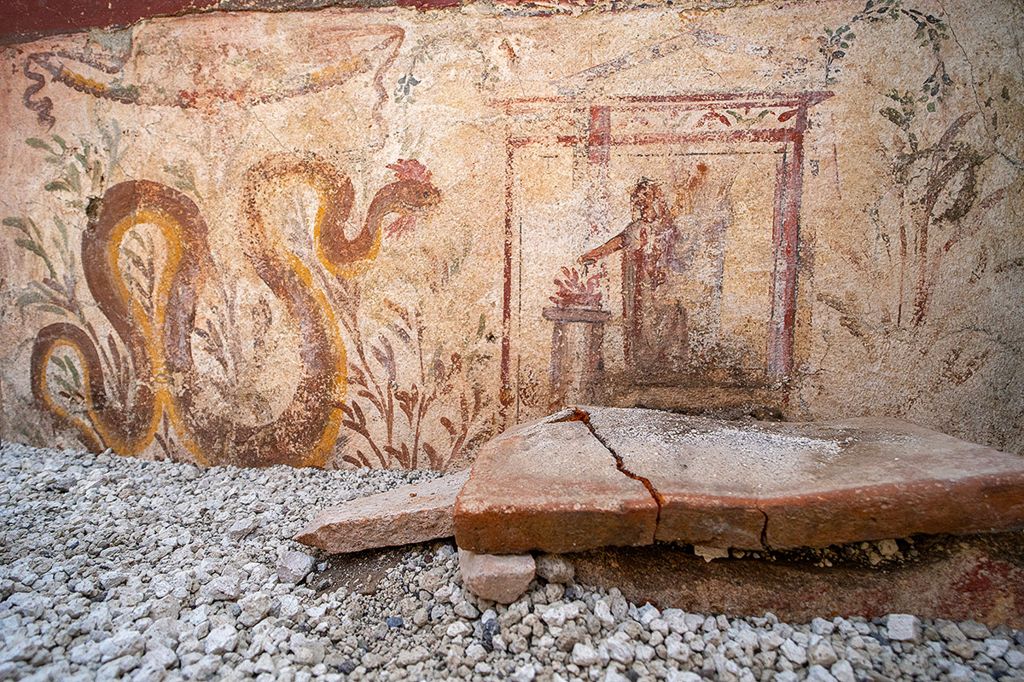
One of the most remarkable aspects of Angela’s program was the focus on the newly excavated areas of Regio V, a district in Pompeii that has yielded an extraordinary array of findings. Among the highlights is the discovery of a richly decorated house, dubbed the House of the Garden. This residence offers a stunning glimpse into the opulence and sophistication of Pompeian domestic architecture. The house intricate frescoes, depicting mythological scenes and lush garden landscapes, are remarkably well-preserved, showcasing the artistic prowess of the era. Angela’s program emphasized how these frescoes are not merely decorative but also reflective of the cultural and religious life of Pompeii residents.
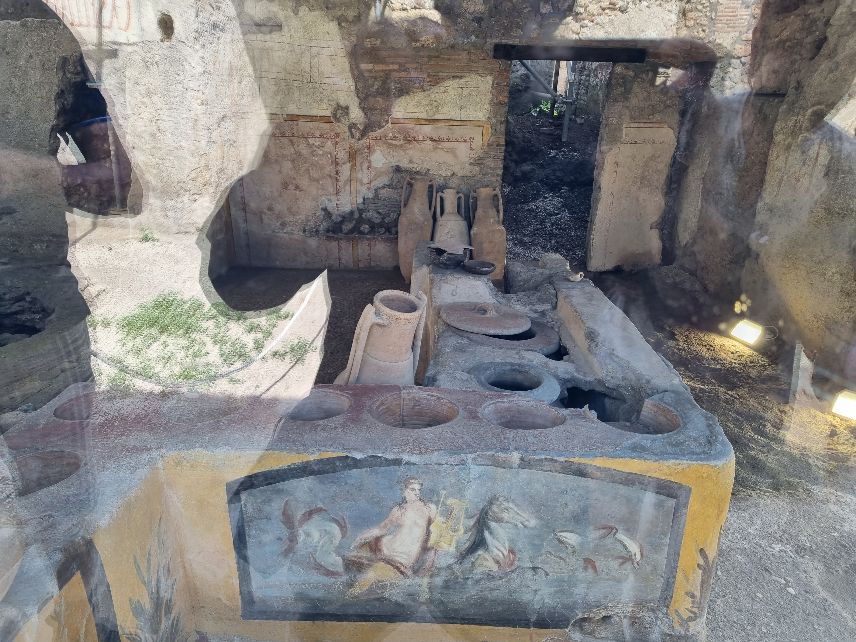
Another significant revelation covered in the program is the discovery of a thermopolium, an ancient Roman eatery akin to modern-day fast food establishments. This particular thermopolium is exceptionally well-preserved, with vibrant frescoes adorning its counter depicting various foods that were likely on offer, such as ducks, chickens, and a dog on a leash. Angela’s narrative underscored the importance of such establishments in Roman daily life, serving as social hubs where people from different walks of life would gather for meals and interaction. The preservation of food residues in this thermopolium has provided archaeologists with valuable insights into the diet and culinary practices of ancient Pompeians.
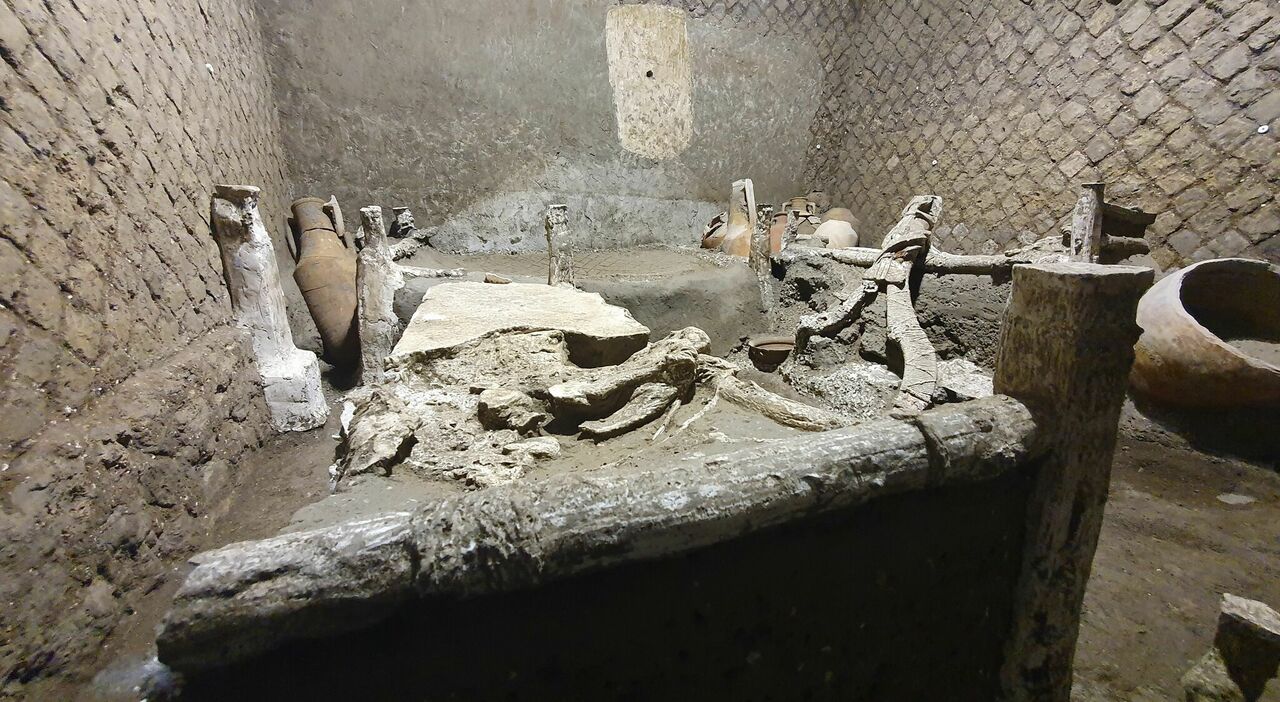
In addition to these architectural and culinary discoveries, Angela’s program also shed light on the personal stories of Pompeii inhabitants. One poignant segment focused on the skeletal remains of a man believed to be in his mid-40s at the time of his death. Found in what was likely a workshop, the position of his body suggested that he was trying to flee the eruption’s deadly pyroclastic flow. This discovery, coupled with analysis of the bones, provided a haunting glimpse into the human tragedy that unfolded during the catastrophic event.
Angela also explored the advancements in archaeological techniques that have facilitated these discoveries. From cutting-edge 3D imaging to the use of ground-penetrating radar, modern technology is allowing researchers to uncover and preserve Pompeii treasures with unprecedented precision. This technological revolution not only enhances our understanding of the past but also ensures that these invaluable cultural artifacts are protected for future generations.
As a tour guide in Pompeii, I have witnessed firsthand the excitement and curiosity that such discoveries ignite in visitors. Alberto Angela’s program has not only illuminated the latest findings but also highlighted the ongoing importance of Pompeii as a historical and cultural touchstone. His ability to convey complex archaeological information in an engaging and relatable manner makes these ancient stories accessible to a wide audience, fostering a deeper appreciation for our shared heritage.
In few words, Alberto Angela’s recent program on Pompeii is a testament to the enduring allure of this ancient city and the continuous journey of discovery that it represents. Through meticulous research, expert interviews, and captivating storytelling, Angela has brought the latest revelations of Pompeii to life, inspiring awe and curiosity in viewers around the world. As new findings continue to emerge, Pompeii remains a vibrant testament to the past, offering invaluable lessons and insights into the lives of those who once walked its streets.